Our approach

A disciplined path
to implementation.

We lead project development through feasibility, design, commercial structuring and delivery planning, with integrity and local participation built into each stage.

01

Assess the opportunity.

We assess the site, resources and local priorities. Our feasibility work evaluates ecological conditions, land and resource rights, technical options and the commercial case.

Opportunity assessment

Baseline evidence
Community engagement
Early feasibility
02

Build the project structure.

We lead technical and economic design, establish the commercial structure and define operating requirements, safeguards and partner responsibilities.

Project design

Technical scope
Project economics
Rights and responsibilities

03

Prepare for delivery.

We develop financing plans, negotiate commercial agreements and manage delivery preparation. Implementation plans set clear scopes, budgets and milestones for qualified delivery partners.

Implementation plan

Financing strategy
Delivery partners
Agreed milestones

04

Measure and report.

We establish monitoring and reporting requirements for each project. Field observations and operating records will inform performance reviews, project improvements and independent verification.

Performance evidence

Monitoring and reporting
Independent review
Long-term stewardship

Technology & integrity

Technology that
supports integrity.

Integrity depends on evidence that can be traced, reviewed and independently assessed. We embed digital tools, scientific methods, clear responsibilities and transparent reporting in project design.

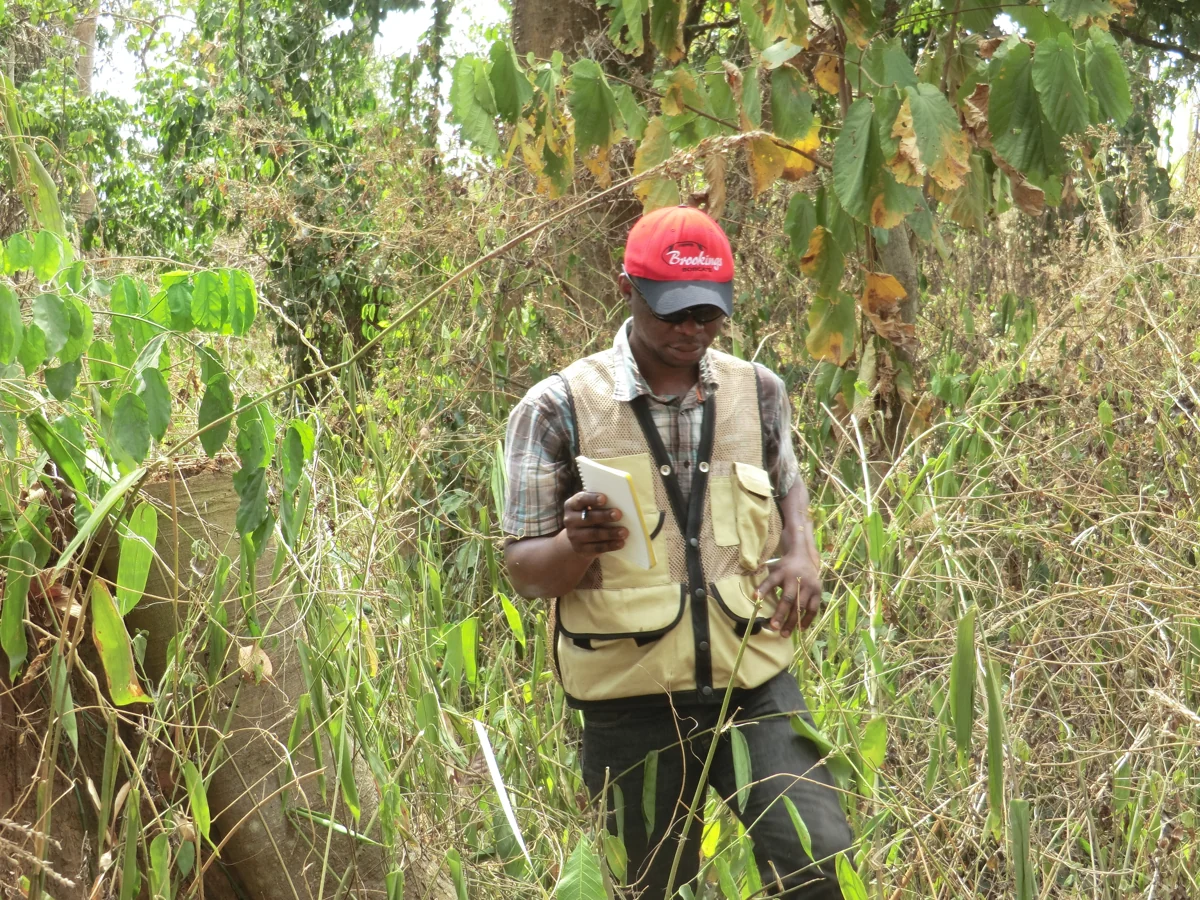
Remote sensing scientist Francis Dwomoh recording field observations in Ghana’s Tain II Forest Reserve
Monitoring and data integrity

Satellite imagery, geospatial mapping, field measurements and appropriate sensors will support site assessment and monitoring. Digital monitoring, reporting and verification (dMRV) will integrate these observations into project records and quality controls to establish baselines, track change and prepare evidence for independent verification.

Data provenance, role-based access and quality checks will help protect the integrity of project records. Digital twins and selective blockchain-supported traceability may be added as project needs and reliable data mature. These tools support scientific assessment and independent verification; they do not replace them.

Carbon integrity and verification

Each prospective carbon-credit pathway must establish methodology eligibility, credible baselines and reliable accounting, including additionality, leakage and permanence where relevant. Independent validation, verification and controls against double counting support credible claims. Article 6 pathways require separate assessment of Ghanaian authorization and corresponding adjustments where applicable.

Commercial discipline and delivery

We structure phased funding around documented budgets, clear responsibilities and defined development milestones. Technical reviews, commercial diligence and assessment of project-specific insurance options help address delivery and operational risks.

Community participation and accountability

Local consultation, accessible feedback and documented benefit arrangements help reflect community priorities. Employment, procurement, training and environmental outcomes will be measured and reported against project-specific evidence.

Partner with us

Partner in project delivery.

Apply your expertise within the technical scope, commercial structure and monitoring requirements of projects we develop.

Talk to our team